

What started off as pie in the sky agricultural technology advances have begun to enter mainstream use as a drive for field optimization mixes with a need for climate-hardened growing. We’ll explore how the Internet of Things (IoT), AI-driven insights, and soilless cultivation methods are all impacting various parts of the agricultural world.
Precision Through Connectivity
So what is IoT-enabled agriculture? The Internet of Things is a network of physical objects that have sensors embedded in them that allow them to communicate and exchange data with master devices and across systems. Within agriculture, IoT networked sensors are used to optimize agricultural management and production. They do this by measuring soil moisture levels, precipitation, and soil nutrients in real-time and sending data back to either an app-based controller or a cloud-based system.¹ These networks provide farmers with very granular farm data and allow them to adjust both their crop expectations and make adjustments to the growth cycle.
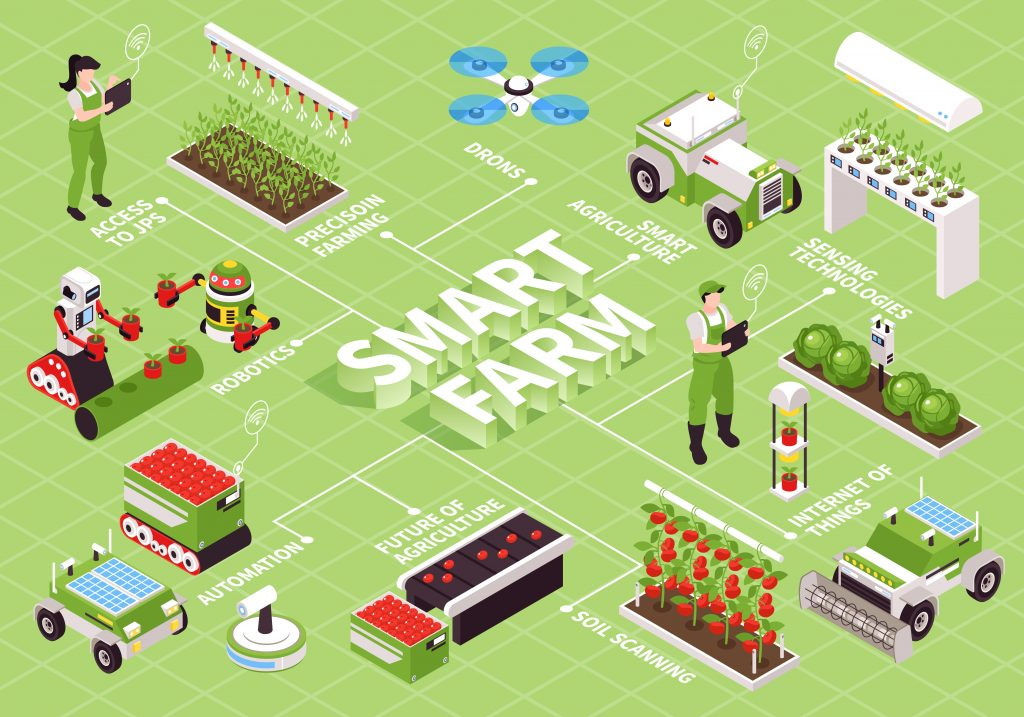
The market momentum behind these technologies is growing and global AgTech companies have seen substantial growth in recent years. The market is projected to continue expanding quickly over the next decade aided by the growing demand for advanced farming technologies and the desire for more sustainable agricultural practices.² This growth trajectory means that precision agriculture tools are moving away from being novelties and becoming necessities.
One of the most important near-term uses for IoT technology is in water management. IoT-enabled irrigation systems allow farmers to be incredibly precise with their water usage and this precision can help them reduce their overall usage as water resources come under increased pressure. Being able to preserve and use water efficiently improves drought resilience long-term.
Soilless Systems Grow Taller
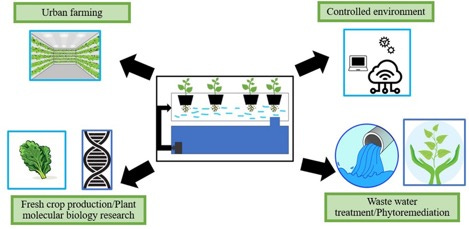
While the IoT growth story is helping to improve existing farms, changes and advances in soilless cultivation techniques are expanding the potential for new crop growth in areas like cities that have never been able to produce their own stocks before. While it’s unlikely that the American farmer or farmland will ever be replaced, increasing and diversifying where crops are grown is a smart way to add weather resilience and bring city dwellers closer to where their food is grown.
These new soilless methods, including hydroponics, aeroponics, and aquaponics help eliminate most soil-based constraints. They have proven to be valuable in regions with limited arable land or degraded land. The controlled environment allows for pinpoint manipulation of growing conditions and closely managed resource use. Crops can be stacked vertically, allowing small footprint locations to provide decent yield per square foot. This is ideal for urban environments and land-constrained regions that haven’t been able to sustain cropland in the past.3
Climate Resilience Through Technology
The timing of these advances coincides with increased climate pressure on traditional agriculture. Temperature extremes, shifting precipitation patterns, and more frequent extreme weather events have farmers beginning to seek ways to augment their conventional field-based production.
The integration of AI with IoT sensor networks adds another layer of potential advantages for farmers. Machine learning algorithms use historical data patterns to predict likely optimal planting schedules based on current condition reporting data. It can also generate irrigation timing patterns and help to scope potential harvest windows. This embedded learning capability becomes more valuable if climate patterns become less predictable over time.
Market Forces and Adoption Barriers
Adoption of these new advancements faces some practical issues. The costs, particularly for soilless solutions, are very high and require additional skilling that may be impractical for smaller operations. Rural internet connectivity, even though much improved over the last 10 years, can still limit the usage of some IoT systems that need real-time data access. Larger operations are likely to be drivers of implementation for IoT and AgTech firms will be piloting soilless solutions.
These technological shifts represent how technology can hopefully push incremental improvements that can become ingrained necessities. They signal a change in how food production systems operate. The farms of tomorrow may bear less resemblance to their predecessors technologically but they’re still going to require a lot of hard work.
¹ Global Ag Tech Initiative, "IoT in Agriculture: How Technology Is Transforming Farming Practices," March 18, 2025, https://www.globalagtechinitiative.com/digital-farming/iot-in-agriculture-how-technology-is-transforming-farming-practices/.
² Research and Markets, "Growth Trends in the $56.6 Billion AgTech Industry, 2024-2032: How IoT, Data Analytics, and AI are Shaping the AgTech Revolution," Globe Newswire, January 8, 2025, https://www.globenewswire.com/news-release/2025/01/08/3006465/28124/en/Growth-Trends-in-the-56-6-Billion-AgTech-Industry-2024-2032-How-IoT-Data-Analytics-and-AI-are-Shaping-the-AgTech-Revolution.html.
³ Reuters. "Vertical Farming Startup Plenty Expand via $680 Mln JV with UAE's Mawarid." Reuters, July 18, 2024. https://www.reuters.com/markets/deals/vertical-farming-startup-plenty-expand-via-680-mln-jv-with-uaes-mawarid-2024-07-18/.
The information provided on this page and its associated documents is intended to provide a broad overview for discussion purposes. It is subject to change and should not be taken as financial or investment advice. Teucrium Trading LLC and Teucrium Investment Advisors, LLC make no offers to sell, solicitations to buy, or recommendations for any security, nor do they offer advisory services.
Past performance is not indicative of future results. Teucrium disclaims any liability for any actions taken based on the information provided herein.